Medicine Chest Video and UC Public Records

Watch the film to see Polina, Head of the UCSF Archives & Special Collections, show off a medicine chest we recently accessioned from the California Historical Society. Medicine chests were once things of beauty: hand-written labels, silver leaf coatings for pills, delicate bottles. The chest belonged to the family of Joseph Donoghue of San Francisco and was used during their travels to Hong Kong and Europe. We’ll bring you a longer post of the history of the chest soon.


The chest includes 19th century pharmaceutical drugs from a pharmacy owned by a figure important in UCSF history– William Searby— that was located on Market Street. Searby was was a key player in the founding of the California College of Pharmacy (later UCSF School of Pharmacy). In addition to being the school’s first professor of Materia Medica, and later professor of pharmacy, he was also the second dean of the college. (We recently conserved a portrait of Searby from the 1880’s– read about that process here!)

The University of California Public Records project is on a quest to celebrate UC’s bevy of unique treasures. The University of California houses an incredible diversity of museums, libraries and other collections. Some are small and eclectic; others are recognized as world-class. Many are open to the public, and all are cared for by passionate curators, historians and scholars. Take a behind-the-scenes peek at UC’s incredible collections.


Exploring the Archives for 150: Happy Halloween

In preparation for UCSF’s 150th anniversary celebration exhibits, we’ve been doing a bit of exploring in the vaults. For the next several months, I’ll be posting some of the treasures we’ve discovered!

It’s Halloween and you know what that means…time for us to post some spooky artifacts! The first items come from the collection of UCSF founder Richard Beverly Cole. Cole facilitated the transfer of Toland Medical College to the UC in 1873 and served as the first dean of the UC Medical Department. These two quirky pieces seemed perfect for All Hallows’ Eve in the archives, enjoy!

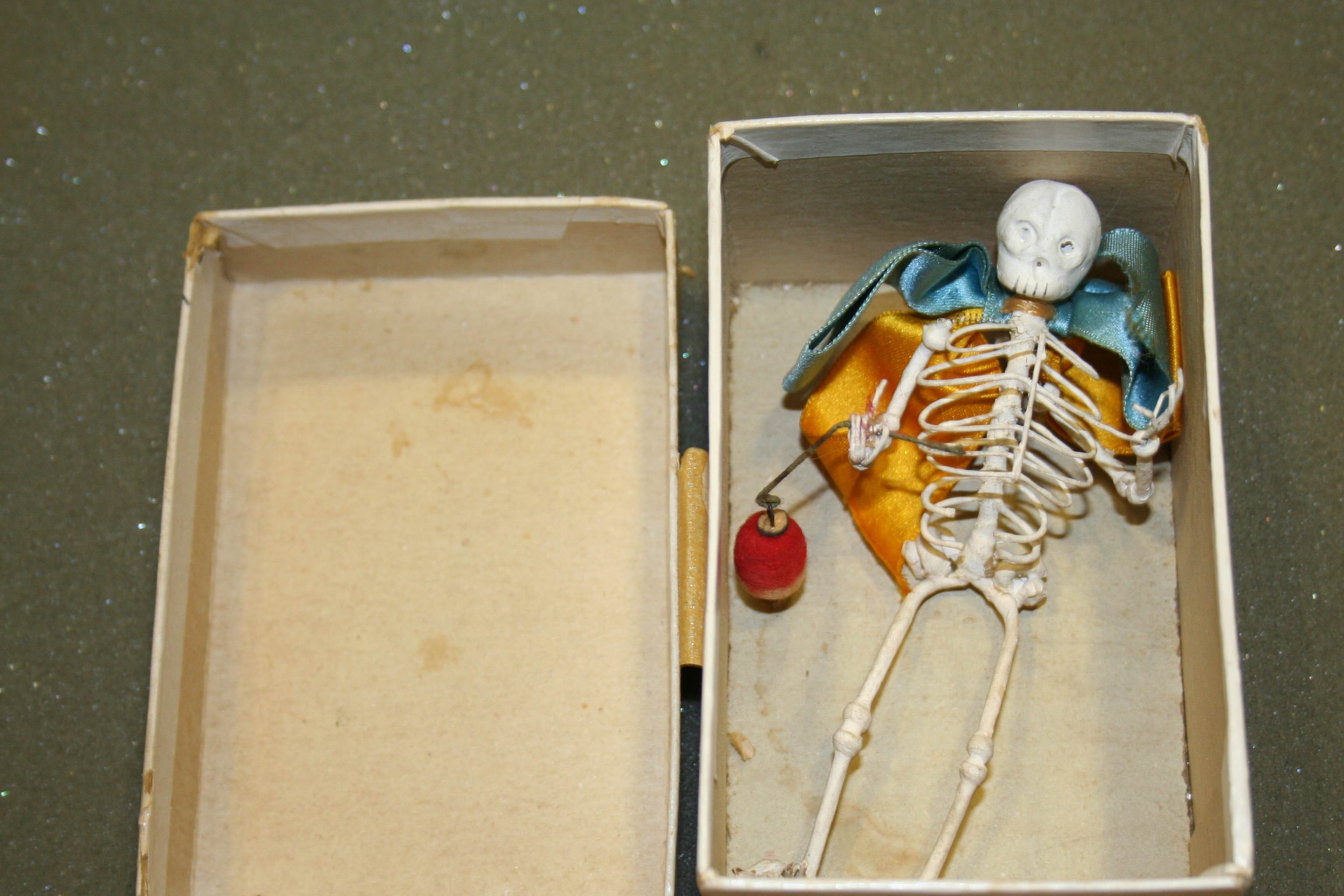
Skeleton Pin with Blue and Gold Ribbons, circa 1880

Skeleton Pin with Blue and Gold Ribbons, circa 1880

Humidor, circa 1880

Humidor, circa 1880

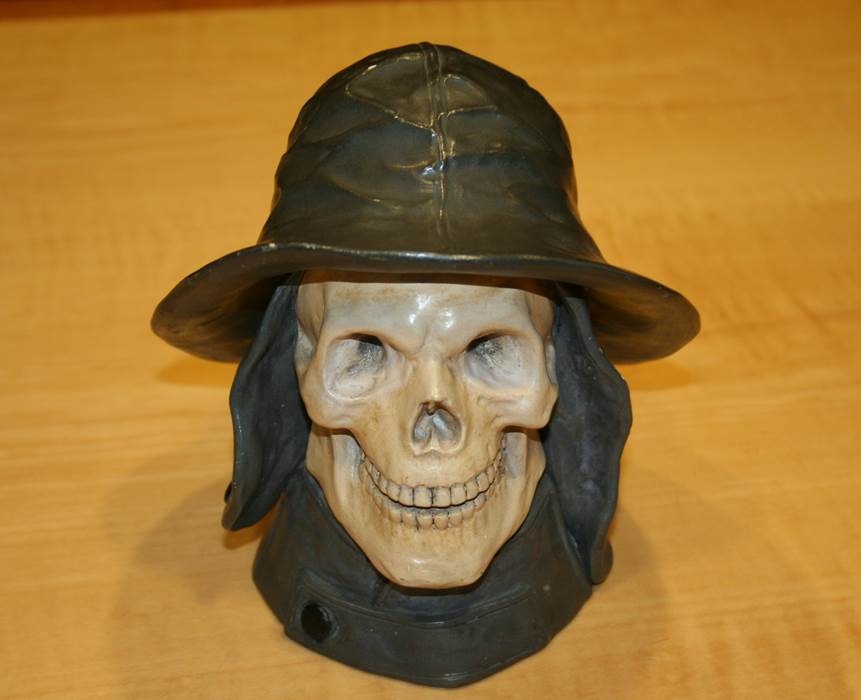
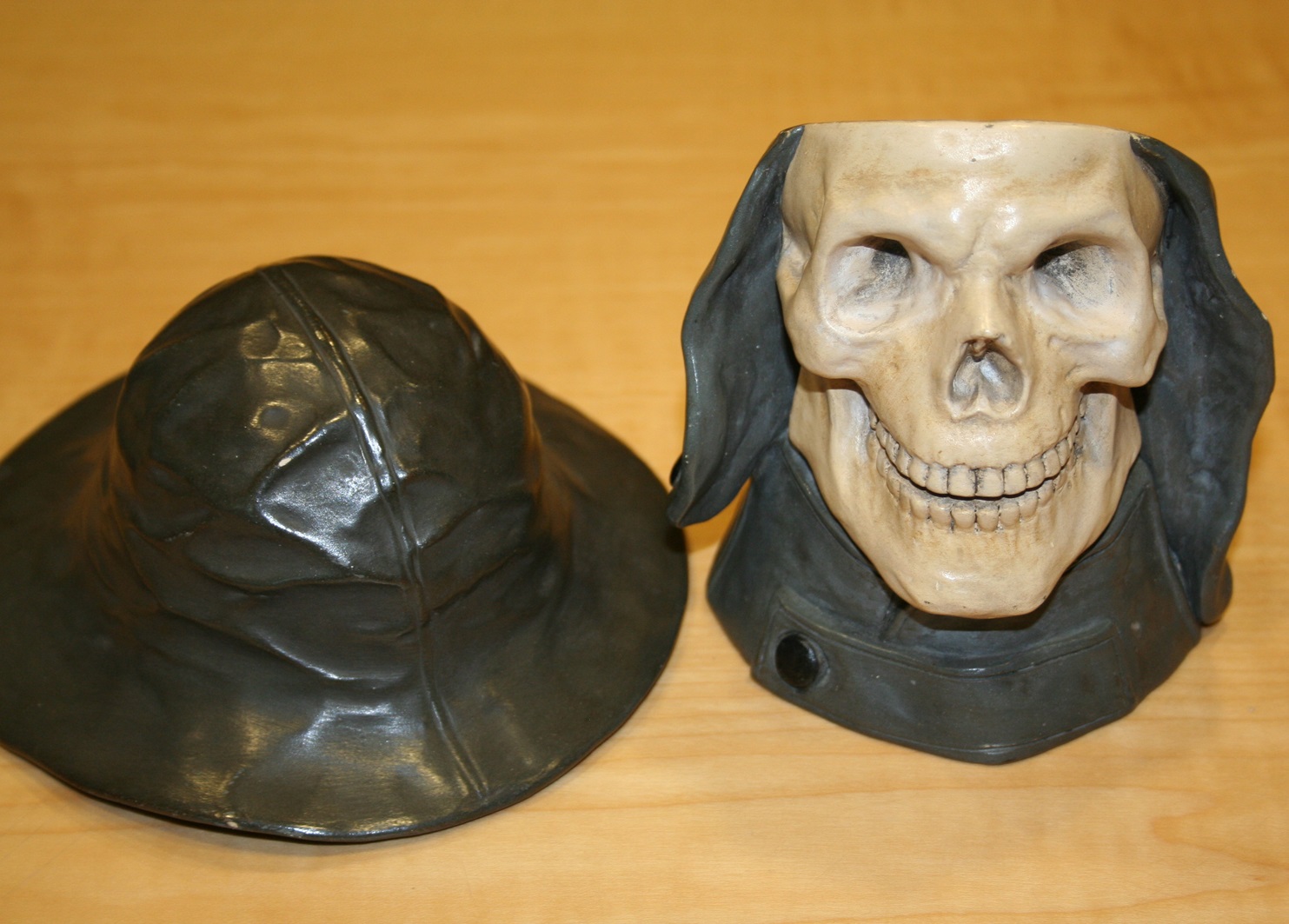
Cole received this ceramic humidor in the shape of skull wearing a Sou’wester from the students of the UCSF Medical Department. For those non-smoking, non-seafarers out there, a humidor like this is used to store loose tobacco and a Sou’wester is a waterproof hat often worn by fishermen and sailors. Why the humidor is in the shape of a skull wearing a Sou’wester remains a mystery.

Humidor, circa 1880, disassembled

Humidor, circa 1880

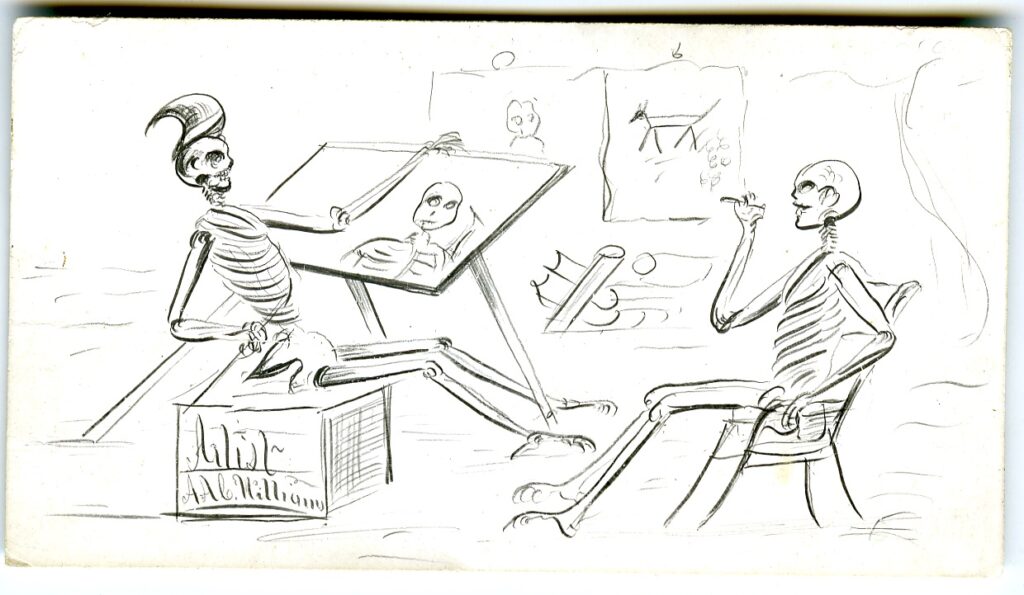
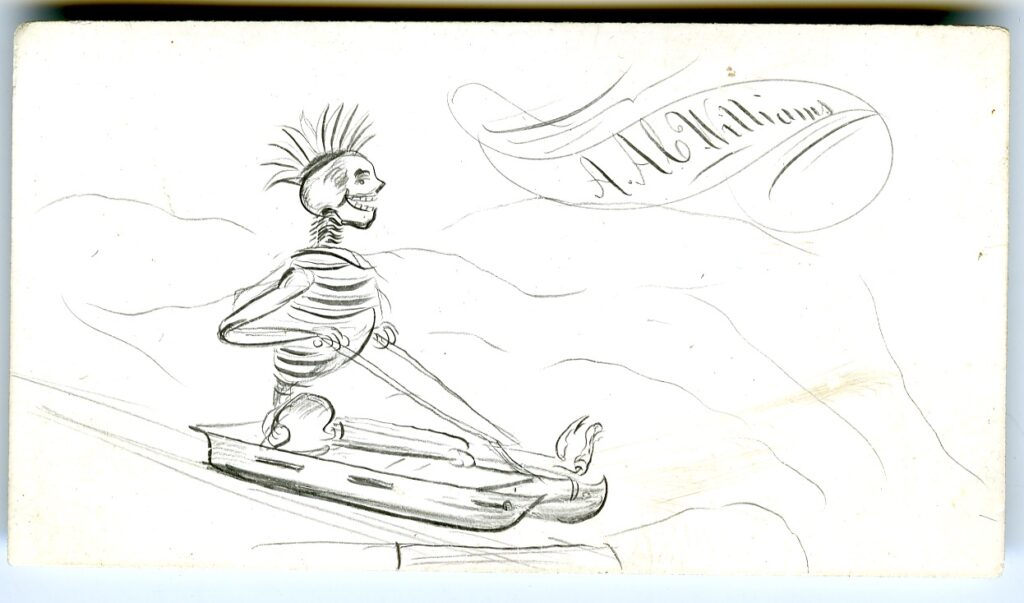
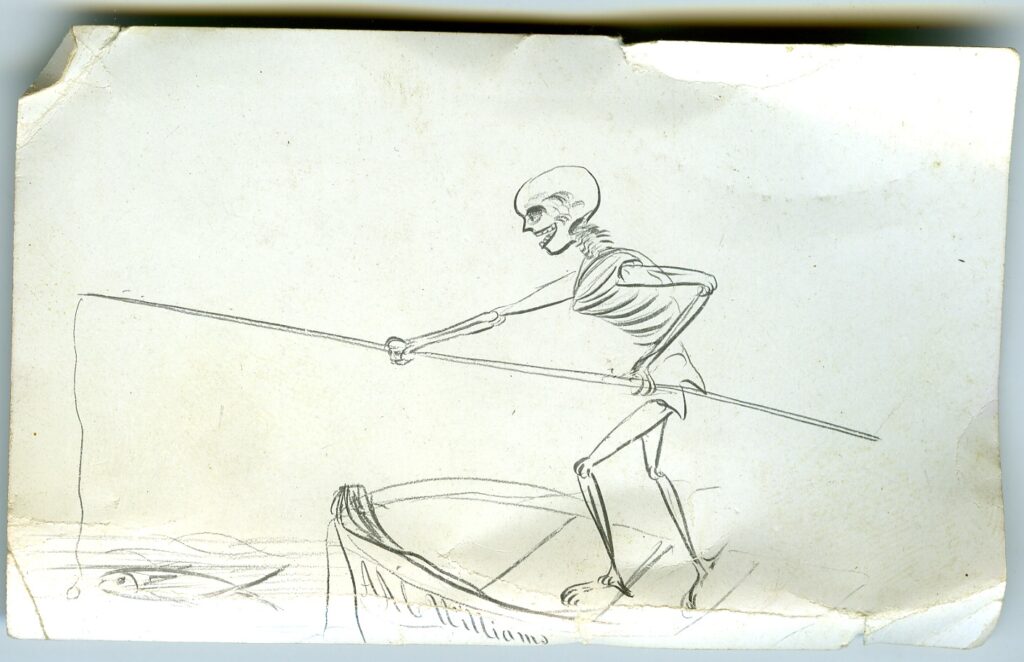
Next we have illustrations from Dr. Alfred Augustus Crawford Williams. Williams served as a surgeon for the Union Army during the American Civil War. His surgical instrument case is one of the items in our artifact collection. In the case, tucked beside the scalpels and bone saws, are several small illustrations of skeletons engaged in a variety of activities.

Illustration by Alfred Augustus Crawford Williams, circa 1865

Illustration by Alfred Augustus Crawford Williams, circa 1865

Illustration by Alfred Augustus Crawford Williams, circa1865

Illustration by Alfred Augustus Crawford Williams, circa 1865

Alfred Augustus Crawford Williams, circa 1865

Illustration by Alfred Augustus Crawford Williams, circa 1865

Happy Halloween!

Got questions? October 30 Is #AskAnArchivist Day!

On October 30, archivists around the country will take to Twitter to answer your questions about any and all things archives! This day-long event, sponsored by the Society of American Archivists, will give you the opportunity to connect directly with archivists in your community—and around the country—to ask questions, get information, or just satisfy your curiosity.

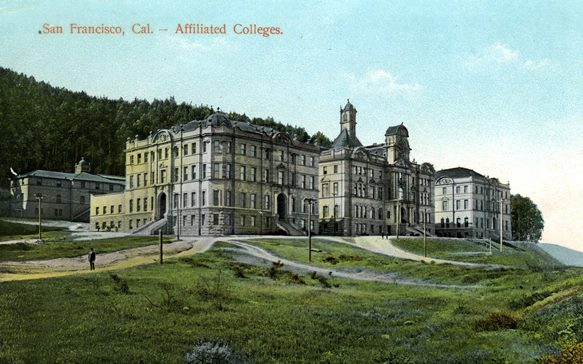
Postcard depicting the Affiliated Colleges, San Francisco, California, ca. 1900s

Postcard depicting the Affiliated Colleges, San Francisco, California, ca. 1900s

We are eager to respond to diverse questions you have about archives and archival work. Not sure what to ask? Here are a few sample questions we commonly get…

•    Who was the first chancellor of UCSF?
•    When the university was officially named UCSF?
•    How to archive a website?
•    What’s the most unusual thing you’ve come across in your collections?
•    How can I see you collections?
•    How can I volunteer in the archives?
•    Can you help me digitize VHS tapes?
•    I have old dental school yearbooks, can I donate them to archives?

#AskAnArchivist is open to everyone—all you need is a Twitter account! To participate, just tweet a question and include the hashtag #AskAnArchivist in your tweet. Your question will be seen instantly by archivists around the country who are standing by to respond directly to you.
If your questions are specifically for the UCSF archives, be sure to tweet them to @ucsf_archives using the hashtag #AskAnArchivist on October 30th from 9 a.m. to 4 p.m.
We may not know every answer right away, but we will get back to you after we’ve had the chance to do some digging.
The archives team will be on-hand to answer your questions. Click here to tweet.

History Exhibit at UCSF’s 150th Anniversary Block Party 8

We had a great time at UCSF’s Block Party, held October 8th on the Mission Bay campus. The event celebrated the university’s growth over the past 150 years and featured live music, food, and entertainment.

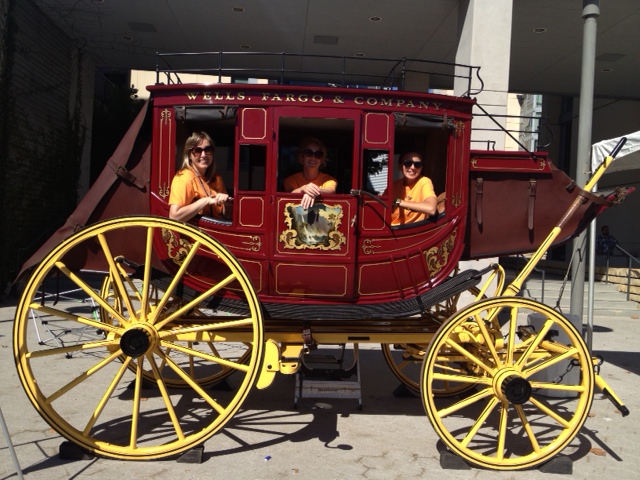
The archives team in a Wells Fargo stagecoach at the Block Party. UCSF founder Hugh Toland reportedly used the company’s services in the mid-nineteenth century to transport pharmaceuticals to patients throughout California.

The archives team in a Wells Fargo stagecoach at the Block Party. UCSF founder Hugh Toland reportedly used the company’s services in the mid-nineteenth century to transport pharmaceuticals to patients throughout California.

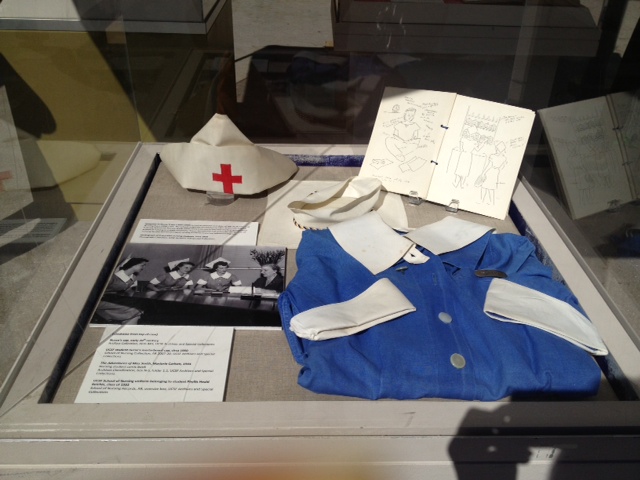
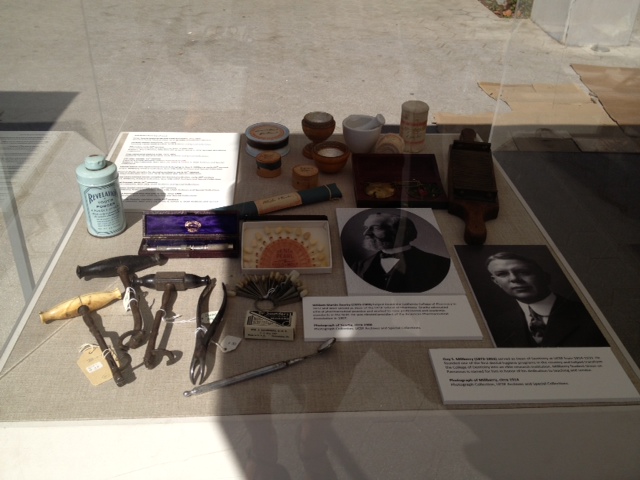
We organized an exhibit for the event that highlighted key moments and individuals from UCSF’s rich history. The displays featured artifacts and photos from the Archives and Special Collections, including Hugh Toland’s surgical instruments, a student nurse’s uniform, Guy Millberry’s dental equipment, and pharmacist William Searby’s brand-name medications.

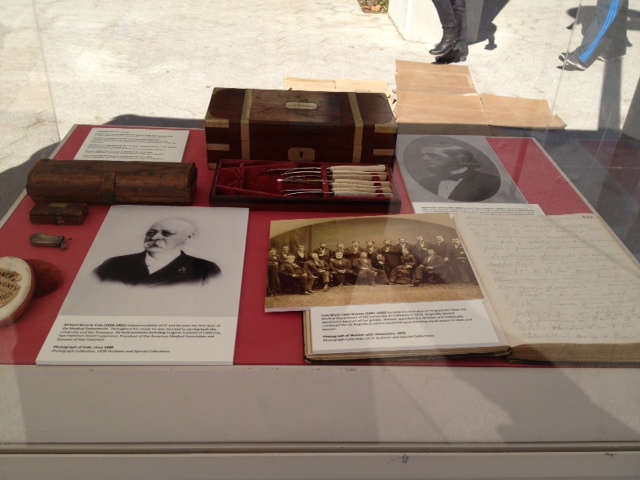
School of Medicine artifacts

School of Medicine artifacts. UCSF founders Richard Cole and Hugh Toland are pictured along with Lucy Wanzer, UCSF’s first female graduate.

We also brought duplicate copies of UCSF’s student yearbooks and invited visitors to flip through them. One woman found a wild picture of her dentist from when he was a student in 1985!

School of Nursing artifacts

School of Nursing artifacts. Margaret Tracy and nursing students are pictured. Tracy served as director and dean of the UCSF School of Nursing from 1934-1956

School of Pharmacy artifacts

School of Pharmacy and School of Dentistry artifacts. William Searby and Guy Millberry are pictured. Searby helped found the California College of Pharmacy in 1872 and later served as dean of the School of Pharmacy. Millberry served as Dean of Dentistry from 1914-1939.

It was a lot of fun to share our collections. Thanks to everyone who stopped by the exhibit.

The Anatomy of the Human Body: Illustrated by One Hundred & Fifty Eight Plates

We bring you some images from the rare book collection to kick off your October:

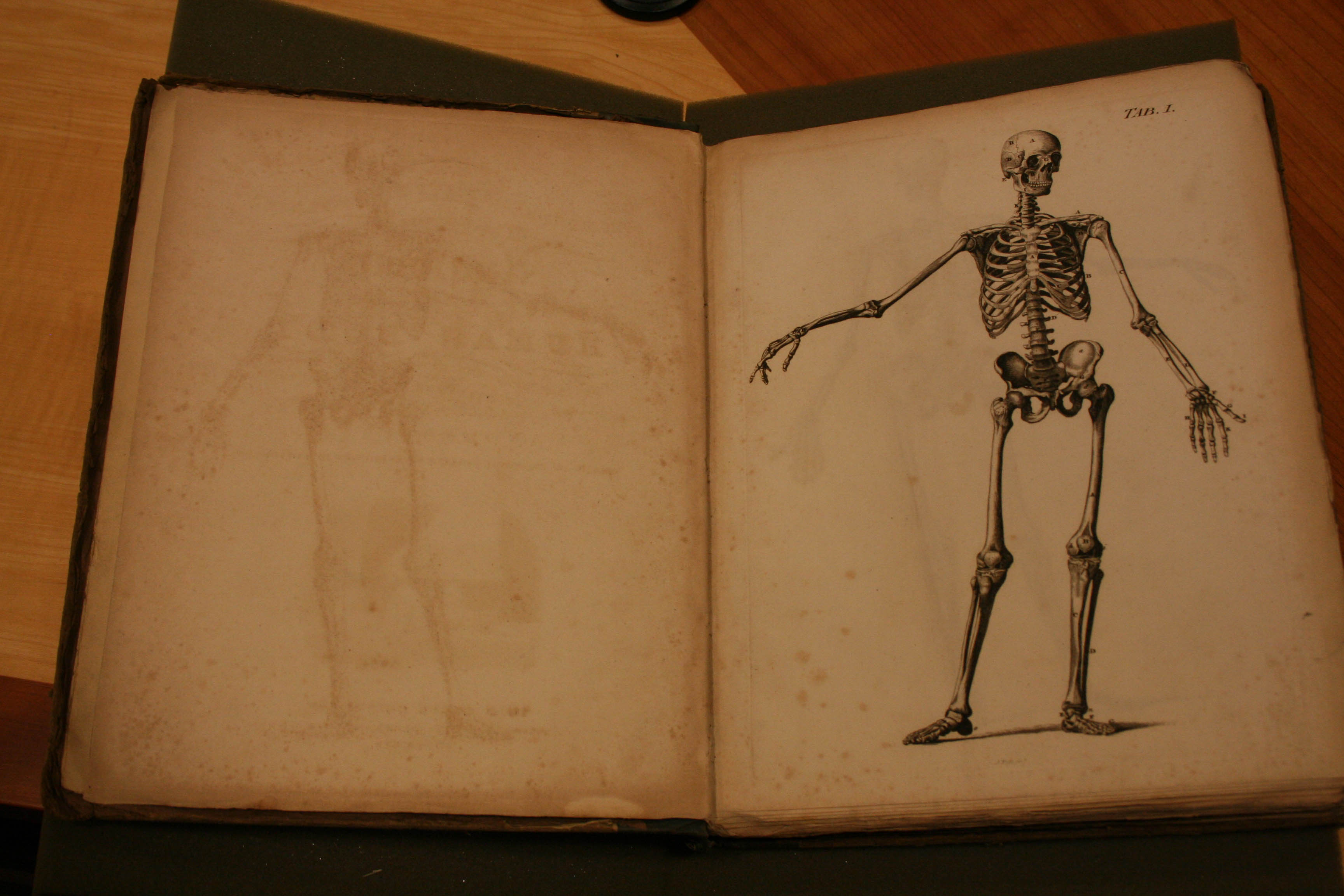
Fyfe, Andrew, The anatomy of the human body... 1830, Tab. I

Fyfe, Andrew, The Anatomy of the Human Body… 1830, Tab. I.

I like to think of it as “Dancing Skeletons.” Doesn’t it look as though they’re mid-twirl?

Andrew Fyfe (1754-1824) was a Scottish anatomy professor at Edinburgh University where he lectured and performed dissections. He later went on to create anatomy textbooks and engravings. The above volume, The Anatomy of the Human Body: Illustrated in One Hundred & Fifty Eight Plates, was published after Fyfe’s death in 1830. It’s comprised solely of detailed engravings of human anatomy.

This book, along with 1,316 others, were digitized during the UCSF Google Books Project and is now available in full on HathtiTrust.

A few more– the thoracic cavity,

Fyfe, Andrew, The anatomy of the human body... 1830, Tab. XVII

Fyfe, Andrew, The Anatomy of the Human Body… 1830, Tab. XVII.

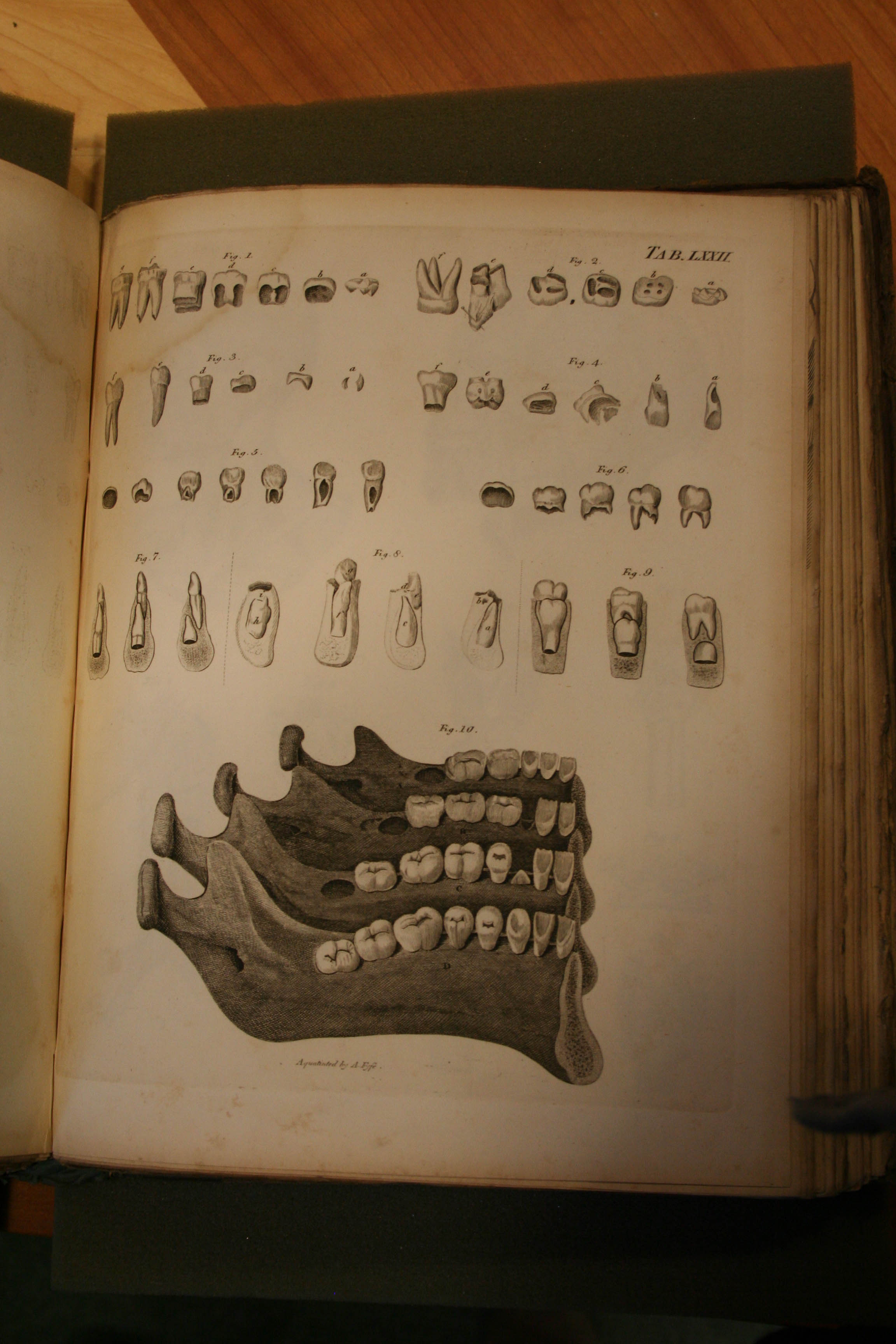
teeth and jaw,

Fyfe, Andrew, The anatomy of the human body... 1830, teeth.

Fyfe, Andrew, The Anatomy of the Human Body… 1830, Tab. LXXII.

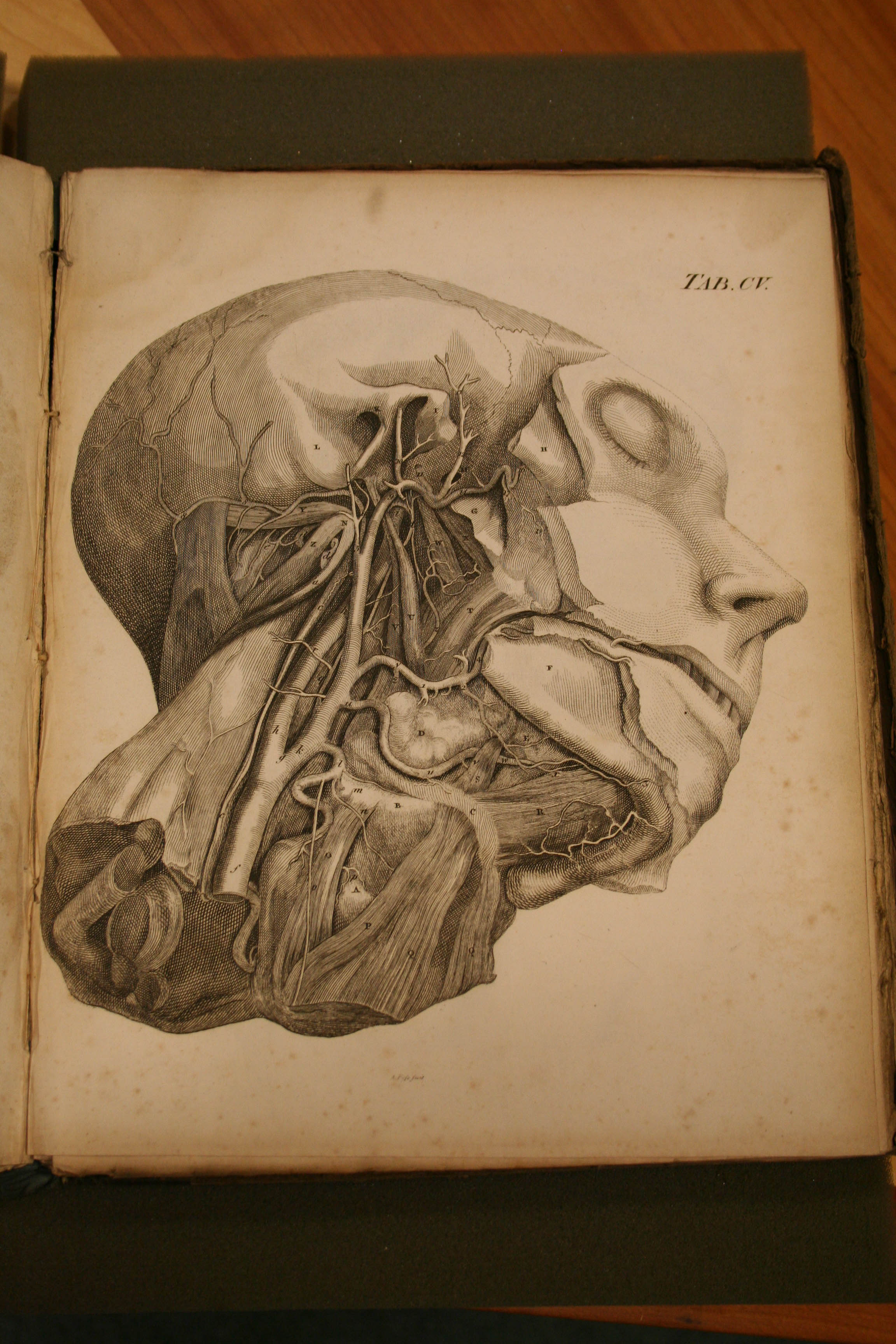
nerves and muscles on the neck and head,

Fyfe, Andrew, The anatomy of the human body... 1830, nerves.

Fyfe, Andrew, The Anatomy of the Human Body… 1830, Tab. CV.

the brain,

IMG_0402_sm

Fyfe, Andrew, The Anatomy of the Human Body… 1830, Tab. LII.

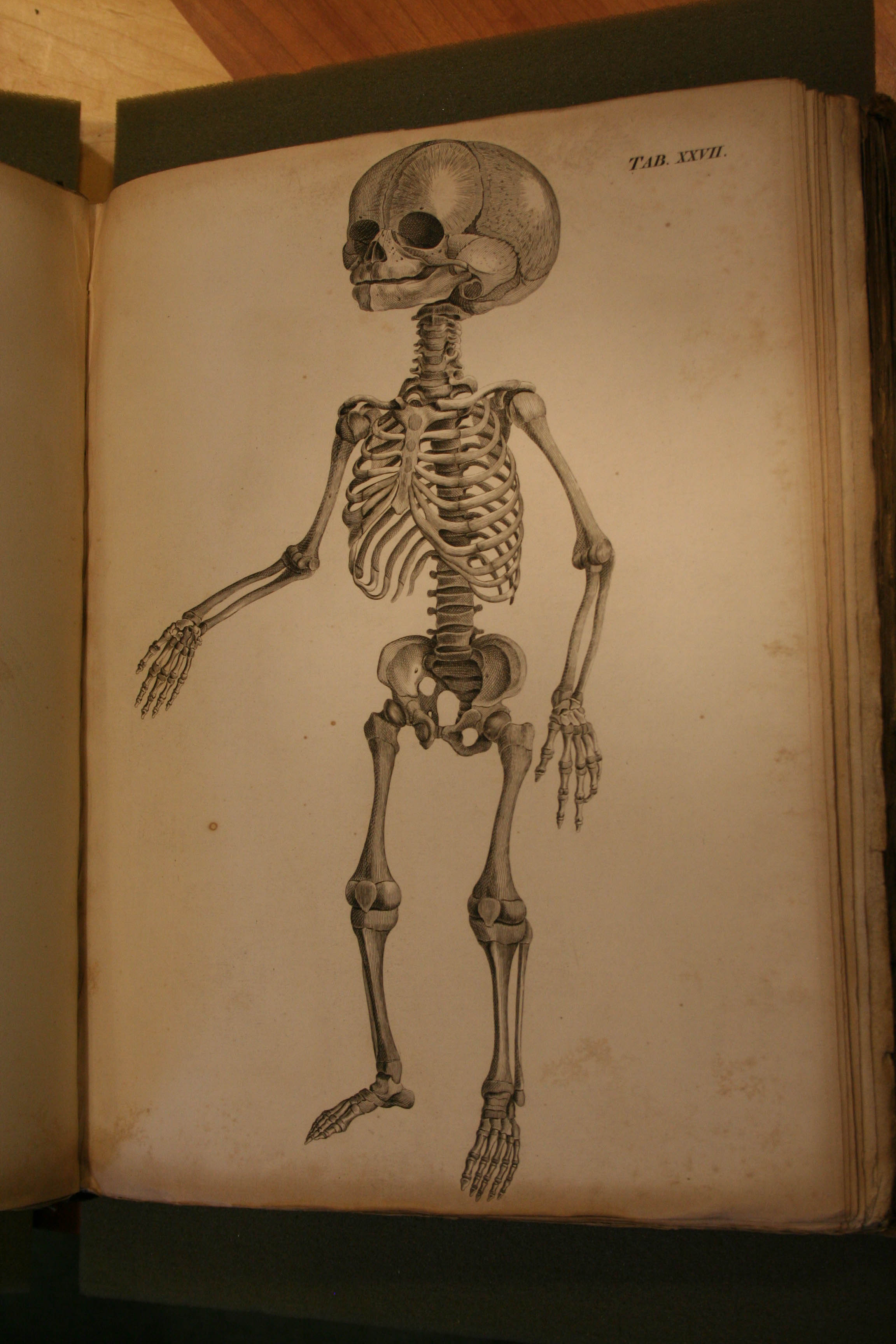
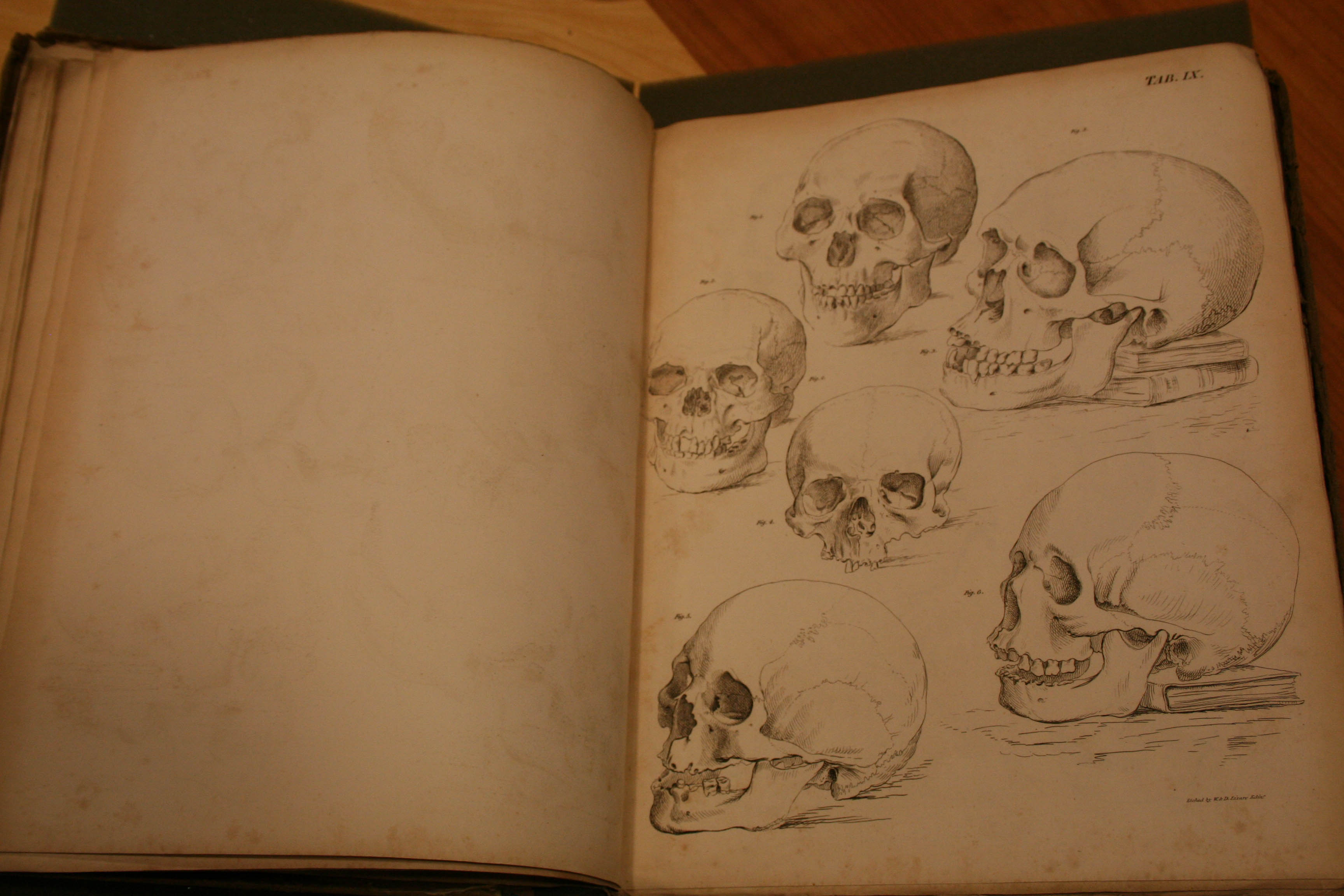
and last but not least, a child skeleton and skulls on books. Now, who is ready for Halloween?

Fyfe, Andrew, The anatomy of the human body... 1830, child skeleton.

Fyfe, Andrew, The Anatomy of the Human Body… 1830, Tab. XXVII.

Fyfe, Andrew, The Anatomy of the Human Body... 1830, Tab. IX.

Fyfe, Andrew, The Anatomy of the Human Body… 1830, Tab. IX.

100+ Years of UCSF Yearbooks Accessible Online: UCSF Partners with Google Books for Digitization Project

The UCSF library is an important UC contributor to the Google Books digitization project. Through the collaboration with the California Digital Library (CDL) digitization team 1,317 volumes from the general and rare book collections were scanned and uploaded to Google Books and HathiTrust, a central repository for digital books.

As part of this project, we also digitized the university publications (yearbooks, announcements, departmental newsletters). These materials are among the most heavily used in archives and requested not only by university departments, but also by people doing genealogical research and alumni. As a result, 460 of these volumes are now full-text accessible on Google Books and HathiTrust sites.
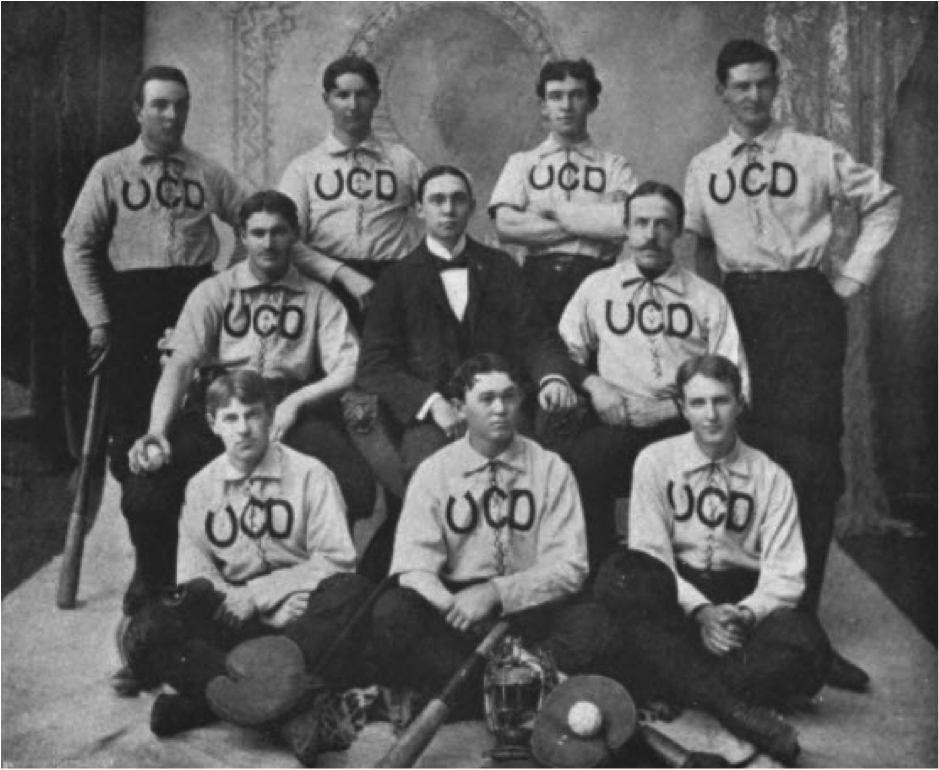
Chaff’98, v.2, yearbook of the College of Dentistry, University of California. College of Dentistry baseball team, 1897-98.

Chaff’98, v.2, yearbook of the College of Dentistry, University of California. College of Dentistry baseball team, 1897-98.

With hundreds of volumes digitized proper organization assures quick and efficient discoverability of these treasures by diverse users. With the help of HathiTrust colleagues at CDL and the University of Michigan, we set up two collections:

University of California, San Francisco collection

This collection contains books, pamphlets, UCSF University Publications, and yearbooks dating back from 16th century through 2000s held at the University of California, San Francisco Library and Special Collections.

UCSF University publications

This collection contains materials published by UCSF schools, programs, and research institutes (course catalogs, announcements, student publications, annual reports, newsletters, etc.) as well as yearbooks dating back from 1864 held at the UCSF Archives. Among them is “The Introductory address delivered by Professor H. H.Toland at the Toland Medical College, San Francisco on Monday, October 24, 1864.”

Please read the full story on the UC Libraries web site and CDL blog.
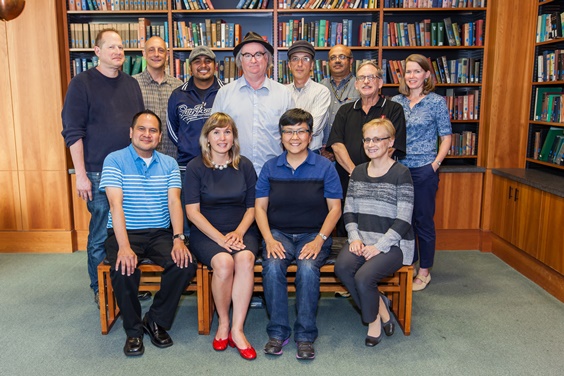
UCSF Library Google Books Team. Front row: Andy Panado, Polina Ilieva, Bea Mallek, Karen Butter. Back row: Eric Peterson, Art Townsend, Alberto Luna, Tyrone McCloskey, Don Ciccone, Bazil Menezes, David Campbell, Anneliese Taylor. Not pictured: Margaret Hughes, Julia Kochi, Bertha Hall, Lucy Friedland, Mark Zanandrea, David MacFarland, Alan Daniel, Jubeda Azam, Deborah Freeze, Susan Boone and Kirk Hudson.

UCSF Library Google Books Team. Front row: Andy Panado, Polina Ilieva, Bea Mallek, Karen Butter. Back row: Eric Peterson, Art Townsend, Alberto Luna, Tyrone McCloskey, Don Ciccone, Bazil Menezes, David Campbell, Anneliese Taylor. Not pictured: Margaret Hughes, Julia Kochi, Bertha Hall, Lucy Friedland, Mark Zanandrea, David MacFarland, Alan Daniel, Jubeda Azam, Deborah Freeze, Susan Boone and Kirk Hudson.

About CDL
The CDL was founded by the University of California in 1997 to take advantage of emerging technologies that were transforming the way digital information was being published and accessed. Since then, in collaboration with the UC libraries and other partners, CDL assembled one of the world’s largest digital research libraries and changed the ways that faculty, students, and researchers discover and access information. In 2006, CDL and the University of California libraries partnered with Google on a project to digitize millions of books from the campus collections.

About HathiTrust
HathiTrust Digital Library is a digital preservation repository and highly functional access platform. It provides long-term preservation and access services for public domain and in copyright content from a variety of sources, including Google, the Internet Archive, Microsoft, and in-house partner institution initiatives.  Launched in 2008, HathiTrust has a growing membership, currently comprising more than 90 partner libraries. Over the last six years, the partners have contributed more than 11 million volumes to the digital library. More than 3.7 million of the contributed volumes are in the public domain and freely available on the Web. For more information, visit the HathiTrust About page.

Exploring the Archives for 150: School of Nursing Comic Books

In preparation for UCSF’s 150th anniversary celebration exhibits, we’ve been doing a bit of exploring in the vaults. For the next several months, I’ll be posting some of the treasures we’ve discovered!     

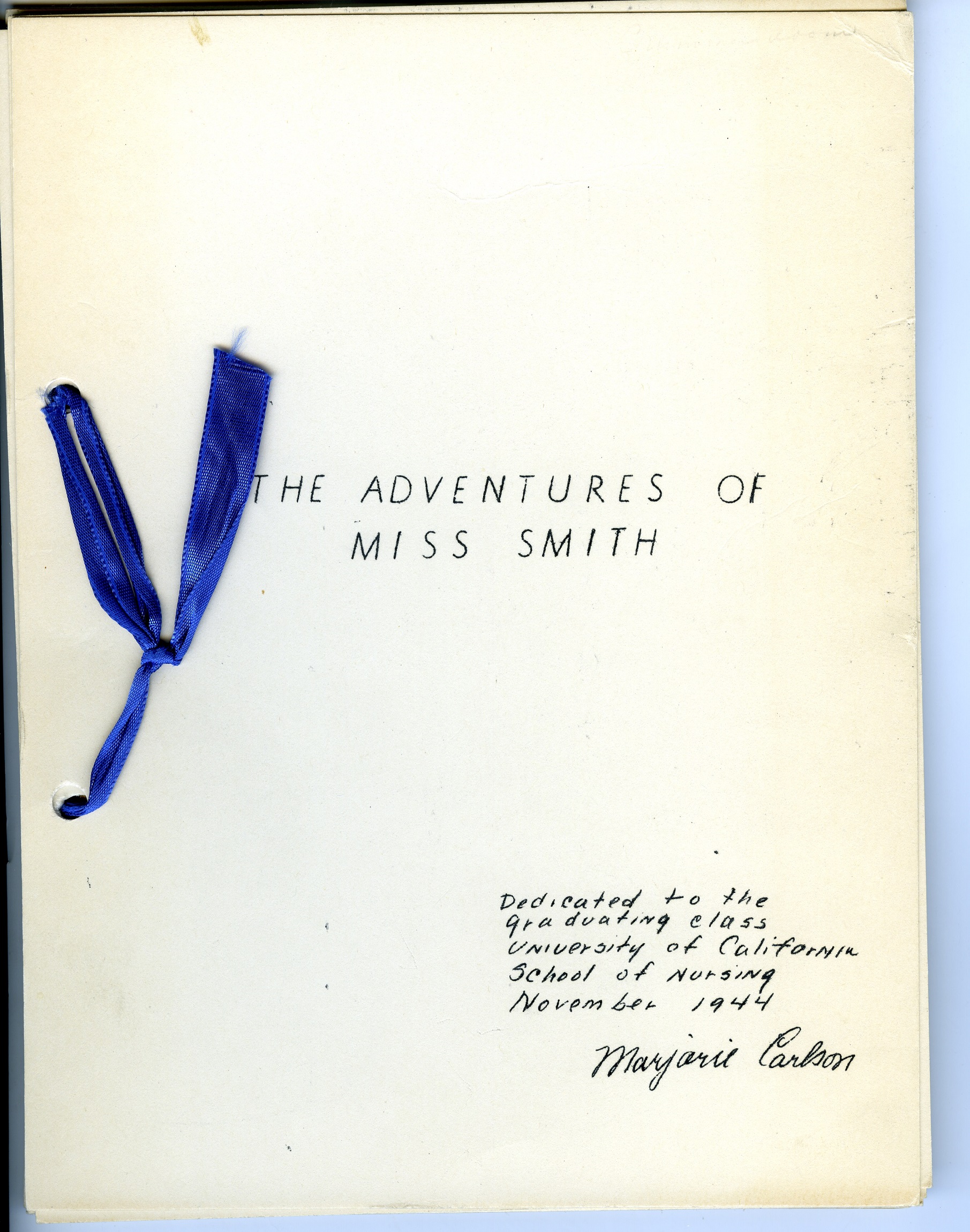
In 1944, the graduating class of the UCSF School of Nursing received a unique gift…a comic book dedicated to their experiences as student nurses.

Cover of The Adventures of Miss Smith, Archives Classification, N-S, folder 1:1

Cover of The Adventures of Miss Smith, Archives Classification, N-S, folder 1:1

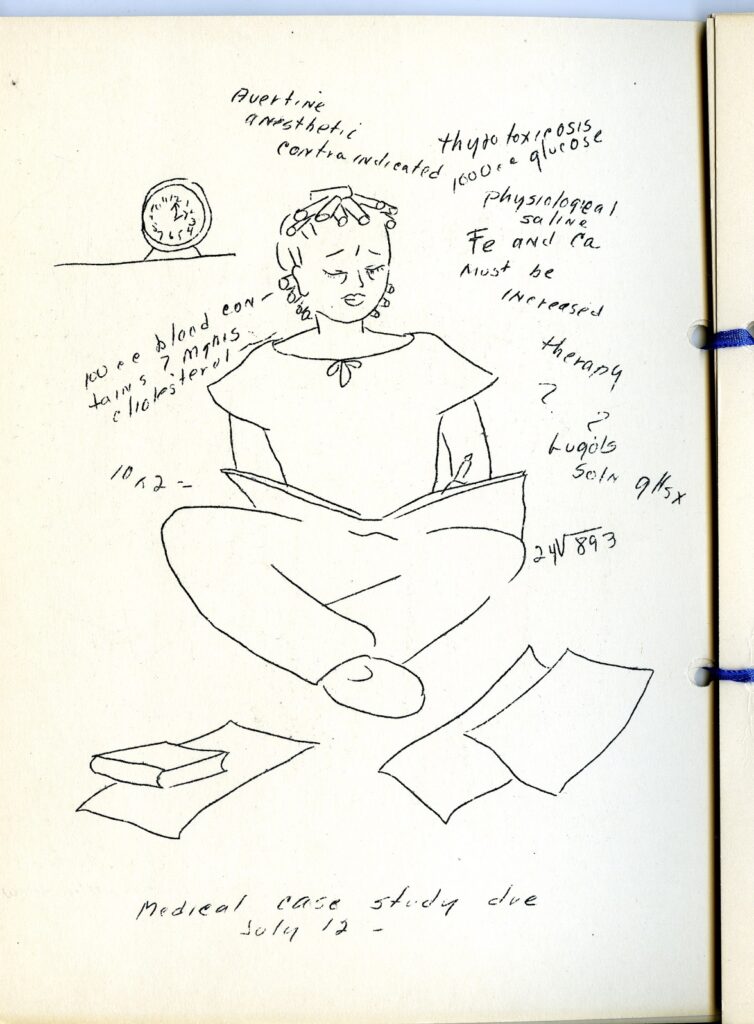
This homemade book, created by Marjorie Carlson and titled The Adventures of Miss Smith, includes 31 illustrations that parody everything from late-night cram study sessions to overwhelming patient and doctor requests.

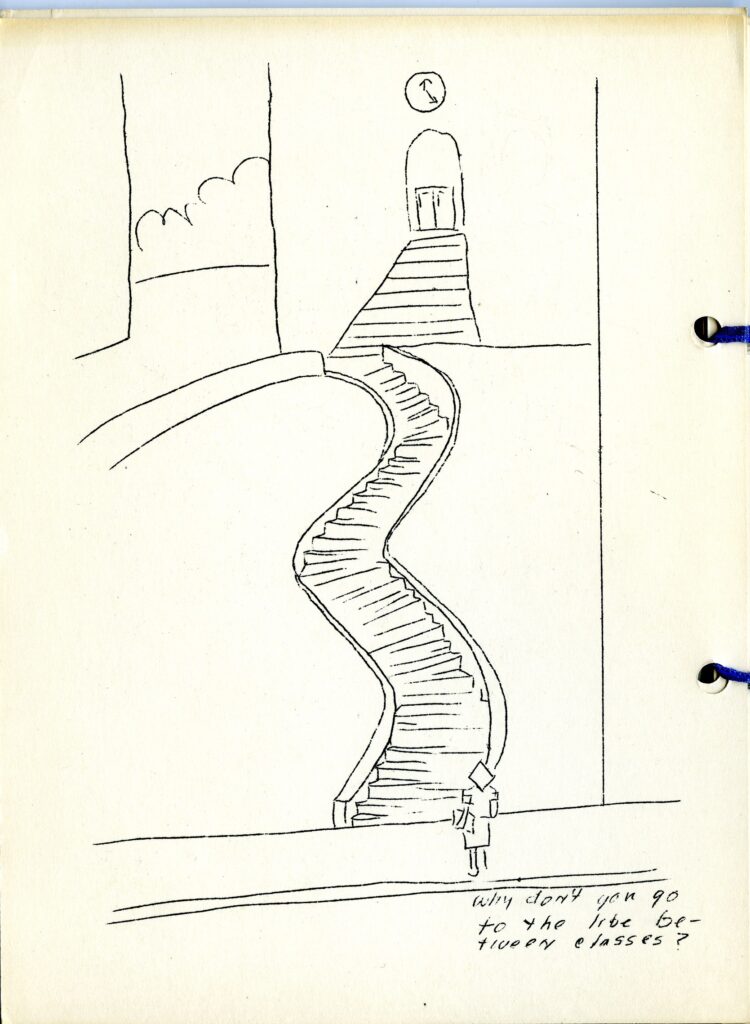
Illustration from The Adventures of Miss Smith, Archives Classification, N-S, folder 1:1

Carlson makes special note of the imposing landscape of Parnassus, a reference to which current students and staff can definitely relate!

Illustration from The Adventures of Miss Smith, Archives Classification, N-S, folder 1:1.

Illustration from The Adventures of Miss Smith, Archives Classification, N-S, folder 1:1.

In 1947, nursing student Phyllis P. Benson created a similar comic book, titled Nurses in Embryo.

Illustration from Nurses in Embryo, Archives Classification, N-S, folder 7:1: Cover

Cover of Nurses in Embryo, Archives Classification, N-S, folder 7:1

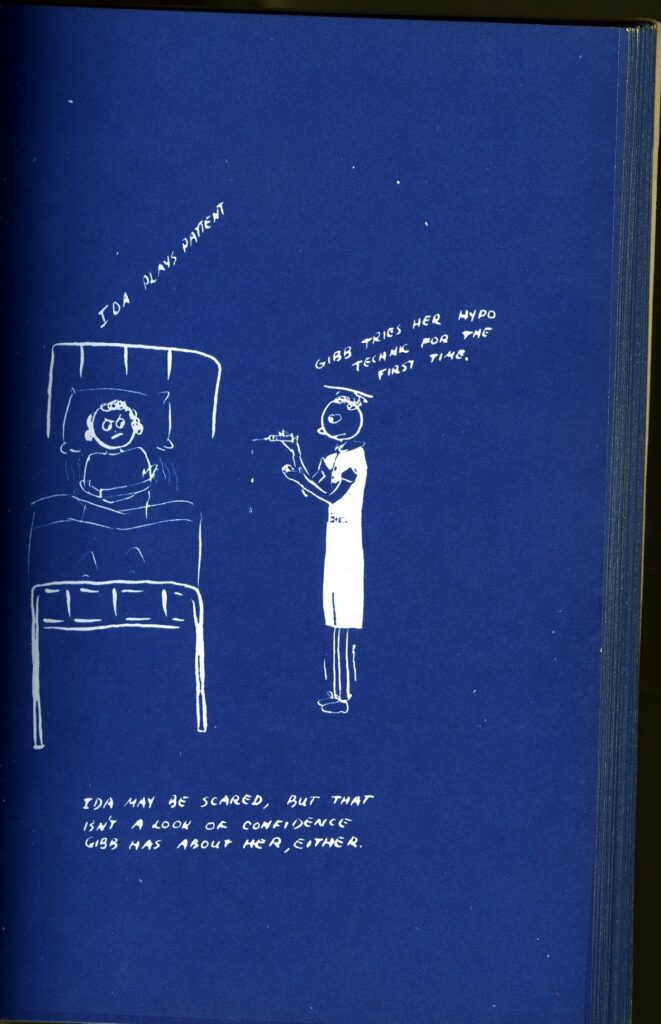
In her introduction, Benson notes that the book “is the realization of an idea one of us had during our pre-clinical semester – to record some of the amusing, humiliating and exasperating experiences we’ve had in training both on and off duty. Each of our twenty-nine class members is represented…these things couldn’t have happened – but they did!”

Illustration from Nurses in Embryo, Archives Classification, N-S, folder 7:1: Ida may be scared...

Illustration from Nurses in Embryo, Archives Classification, N-S, folder 7:1

While Benson maintains a humorous tone throughout, she also illustrates some serious issues that mid-century nursing students faced. For instance, five of the twenty-nine anecdotal illustrations reference sexual harassment from doctors and patients.

Illustration from Nurses in Embryo, Archives Classification, N-S, folder 7:1 : It must be the uniform.

Illustration from Nurses in Embryo, Archives Classification, N-S, folder 7:1

Documents like these provide excellent evidence for researchers looking to better understand students’ lives and experiences. They speak to the history of nursing training at UCSF and showcase unique individual stories. To view more images from the books, visit our digital collections or come see the real thing in the UCSF Archives and Special Collections.

New Faces in Archives

Kelsi Evans

Kelsi Evans

Kelsi Evans
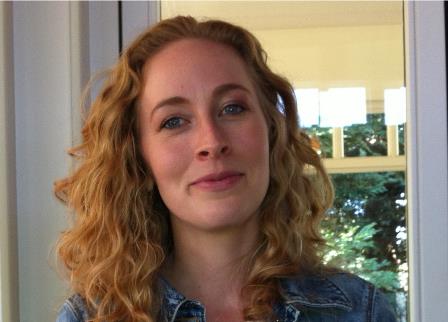
Our new Assistant Research Archivist, Kelsi Evans who joined the archives team a month ago, will help with research and organization for several onsite and online exhibits, as well as processing, cataloging, digitization, and social media projects related to the University sesquicentennial. She will respond to reference requests relating to UCSF History and 150th anniversary, research and provide historical information for UCSF schools and departments. Kelsi will be contributing to the Archives blog and support Archives outreach programs.
She will also spend half of her time completing processing of the Lawrence Crooks Radiologic Imaging Laboratory Records and establishing the Lawrence Crooks Radiologic Imaging Technology Digital Collection.
Dr. Crooks’ collection provides insights into the history of the development and testing of magnetic resonance imaging (MRI) technology. The material donated by Dr. Crooks is a major addition to the archives holdings and is treasured for its high scholarly value and ability to broaden research perspective. Some of these treasures are lacking intellectual control and have no or minimal descriptive data. The goal of this project is to create a detailed finding aid and digitize a sizable and significant part of this material to build a comprehensive on-line collection. The archives will produce an exhibit at the UCSF library showcasing the key documents and artifacts. Subsequently, an online companion exhibit will be built and will be accessible through the UCSF library site.
Kelsi holds a master’s degree in Archives and Public History from New York University and completed graduate coursework in American History at UC Santa Cruz. She has worked as an archivist in the Fales Library and Special Collections at NYU, the Foundation for Landscape Studies in NYC, and the Lowe Art Museum at the University of Miami. Additionally, she has planned events and coordinated volunteers for non-profit organizations, including Old Spanish Days Fiesta in Santa Barbara. Originally from Kansas City, Missouri, Kelsi has lived in the Bay Area for the past several years and enjoys California’s farmers’ markets and beaches.

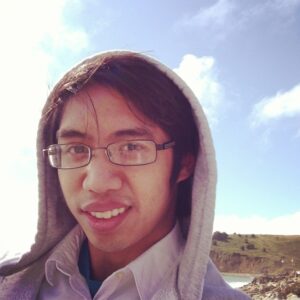
Armani Fontanilla

Armani Fontanilla

Armani Fontanilla

This fall semester the UCSF Archives & Special Collections is hosting an intern from the University of San Francisco (USF) public history program. Armani is currently a senior at the USF majoring in History with an emphasis on European and Asian Studies. He is originally from San Jose, and has lived in California his entire life. After he graduates from USF, he hopes to be able to earn a teaching position at his old high school, Bellarmine College Preparatory, and eventually pursue a Masters. In choosing the UCSF archives through the USF internship program, he hopes to not only practice skills that can only be found through working at an established institution but to also enhance his ability to do archival work and explore history of Western medicine at the archives.
Armani is working on organizing and creating an inventory of biographical files. This frequently consulted collection includes CVs, newspaper clippings, obituaries, bio sketches of hundreds of UCSF researchers, clinicians, staff, and alumni. Armani will also assist with digitizing images and documents for the University sesquicentennial events.

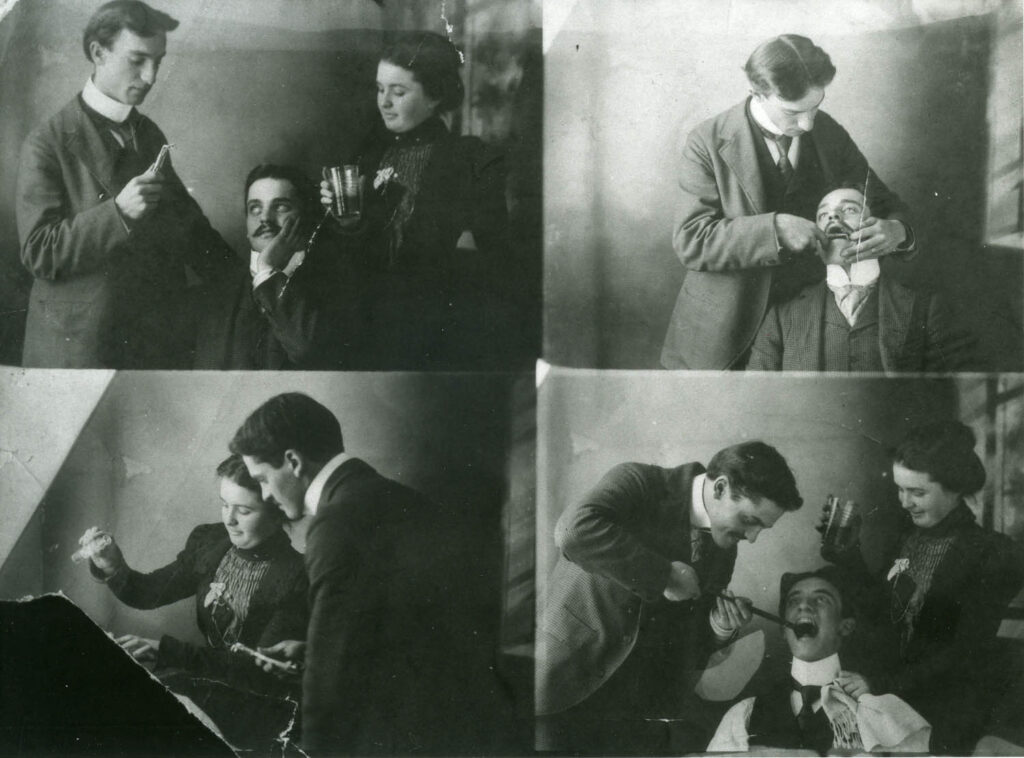
Dentistry demonstration photograph series, circa 1900

Walter French Lillard, Anna Christina, and Frank Wagner, 1901. UCSF Hsitoric Photograph Collection, GO-GZ.

Walter French Lillard, Anna Christina Frank Wagner, and Maurice Louis Green, 1901. UCSF Historic Photograph Collection, GO-GZ.

This photograph is comprised of four images of what appears to be a dentistry school demonstration– there seems to be too much smiling going on for a real procedure. Walter French Lillard (mustachioed) of Dixon, California; Maurice Louis Green of Alameda, California; and Anna Christina Frank Wagner of Austin, Nevada graduated from the College of Dentistry in the class of 1901.

See more of UCSF’s Historic Photographs here.

Archives Lecture Series: Early Interdisciplinary Cancer Research at UCSF, October 13th, 2014

Join us on Monday, October 13th as M. Michael Thaler, M.D., M.A. (Hist.) gives a lecture in a series launched by UCSF Archives & Special Collections.

Date: Monday, October 13th, 2014
Time: 12 pm-1:20 pm
Location: Lange Room, UCSF Library, 530 Parnassus, 5th floor
This lecture is free and open to the public.
Please RSVP to reserve a seat.

Shimkin’s “Lost Colony” (1947-1953): Early Interdisciplinary Cancer Research at UCSF

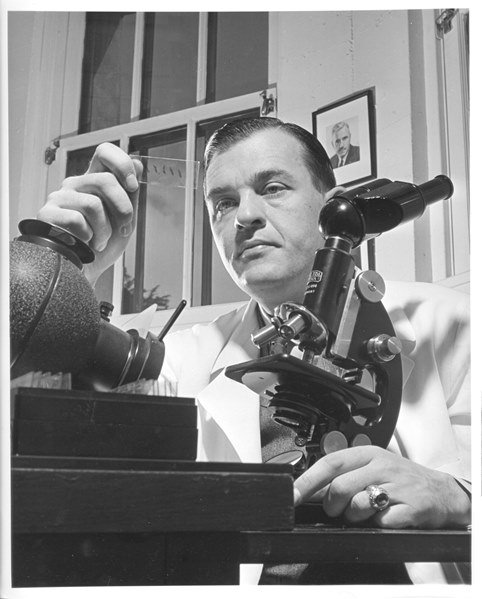
Michael B. Shimkin

Michael B. Shimkin, Director of the Laboratory of Experimental Oncology at UCSF, 1947-1953

The Laboratory of Experimental Oncology (LEO) was established in 1947 at Laguna Honda Hospital in San Francisco as a “colony” of the National Institutes of Health, to be jointly administered by the National Cancer Institute (NCI) and UCSF. The LEO was the brain child of Michael B. Shimkin, a career U.S.P.H.S. physician and cancer researcher at the NCI. Shimkin was a native San Franciscan, having successively graduated from Lowell High School, UC Berkeley and UCSF. After 8 years at the NCI and war service, Shimkin returned to his native city and alma mater as ideal environments for a “combined” interdisciplinary clinical and basic research unit embedded in a medical school and staffed by full-time research teams of M.D.’s and Ph.D.’s. These unprecedented ideas directly challenged the traditional separation between patient care and laboratory research. Shimkin introduced a ‘release’ form that fully informed patients with terminal cancer admitted to the LEO about the incurable nature of their illness, and clearly distinguished between therapeutic and experimental procedures. This prototypical “informed consent” approach met with mounting resistance from the clinical faculty. In response, Shimkin organized a symposium at UCSF in October 1951 on the subject on human experimentation. In his presentation, Shimkin became the first American physician to draw on the injunctions from the recently concluded Nuremberg trials against German physicians who had conducted medical experiments in Nazi concentration camps, as a source of universal guidelines for the ethical conduct of experiments with human subjects. The LEO treated 500 patients and generated over 130 publications before being replaced by the Moffitt-based Cancer Research Institute in 1953.

About M. Michael Thaler

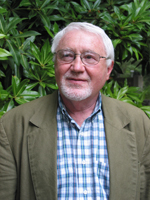
M. Michael Thaler, M.D., M.A. (Hist.)

M. Michael Thaler, M.D., M.A. (Hist.)

Michael Thaler received his M.D. from the University of Toronto, trained in pediatrics, pediatric pathology and internal medicine, and completed research fellowships in cell biology at Washington University and in developmental biology at Harvard University. As professor of pediatrics at UCSF, he established the first academic division of Pediatric Gastroenterology, Hepatology and Nutrition in North America, was awarded the first NIH Research Career Development Award in Pediatric Gastroenterology, and was P.I. of the foundational NIH Research Training Program grant in Pediatric Gastroenterology. He also directed the Laboratory of Pediatric Hepatology and served as associate director of the UCSF Liver Center.  His publications include approximately 200 clinical and basic research articles on perinatal bilirubin metabolism, infantile cholestasis syndromes, Reye’s syndrome, and bile salt metabolism. As professor emeritus, he earned a M.A. degree in History of Health Sciences at UCSF in 1998, and received appointments as Visiting Scholar at the Stanford Center for Bioethics, and Research Associate at the Stanford Center for History and Philosophy of Science.  For the next 12 years, he taught undergraduate courses on the history of medical sciences as Visiting Professor of History at UC Santa Cruz and UC Berkeley. He continues to lecture at the Osher Life Long Learning Institute in Berkeley, and for the fellowship program in Pediatric Gastroenterology at UCSF.  His awards include the UCSF Chancellor’s Faculty Award for Public Service and the Shwachman Lifetime Achievement Award in Pediatric Gastroenterology. He presently serves as president of   the UCSF Emeriti Faculty Association.

About the UCSF Archives & Special Collections Lecture Series

UCSF Archives & Special Collections launched this lecture series to introduce a wider community to treasures and collections from its holdings, to provide an opportunity for researchers to discuss how they use this material, and to celebrate clinicians, scientists, and health care professionals who donated their papers to the archives.